Field notes · 6 min read
Why our cassava tastes different
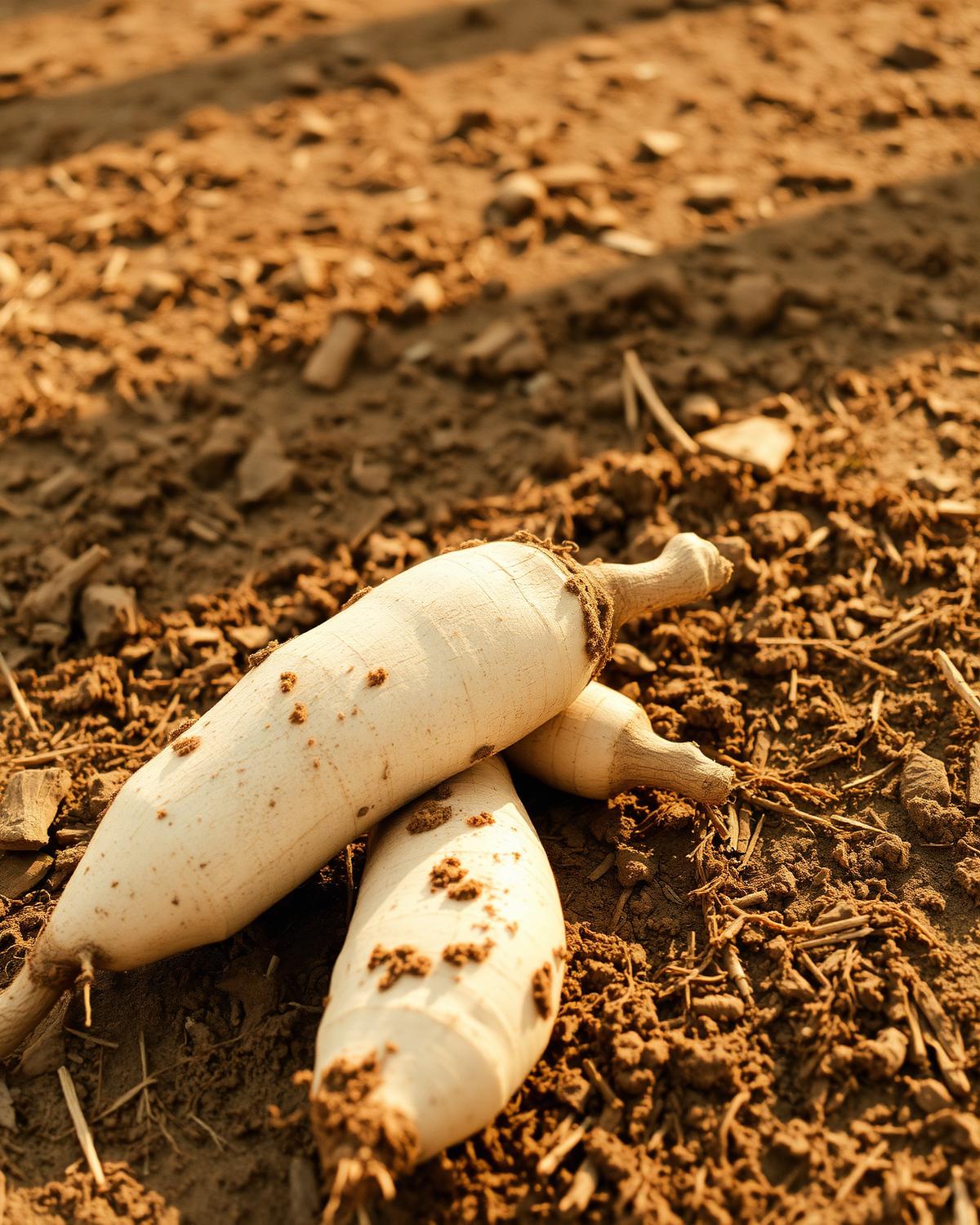
Most cassava sold in a Kenyan city has been out of the ground for four to six days. Cassava does not forgive that. Within seventy-two hours the starches begin to break down, the flesh turns grey at the edges, and what should cook floury cooks watery.
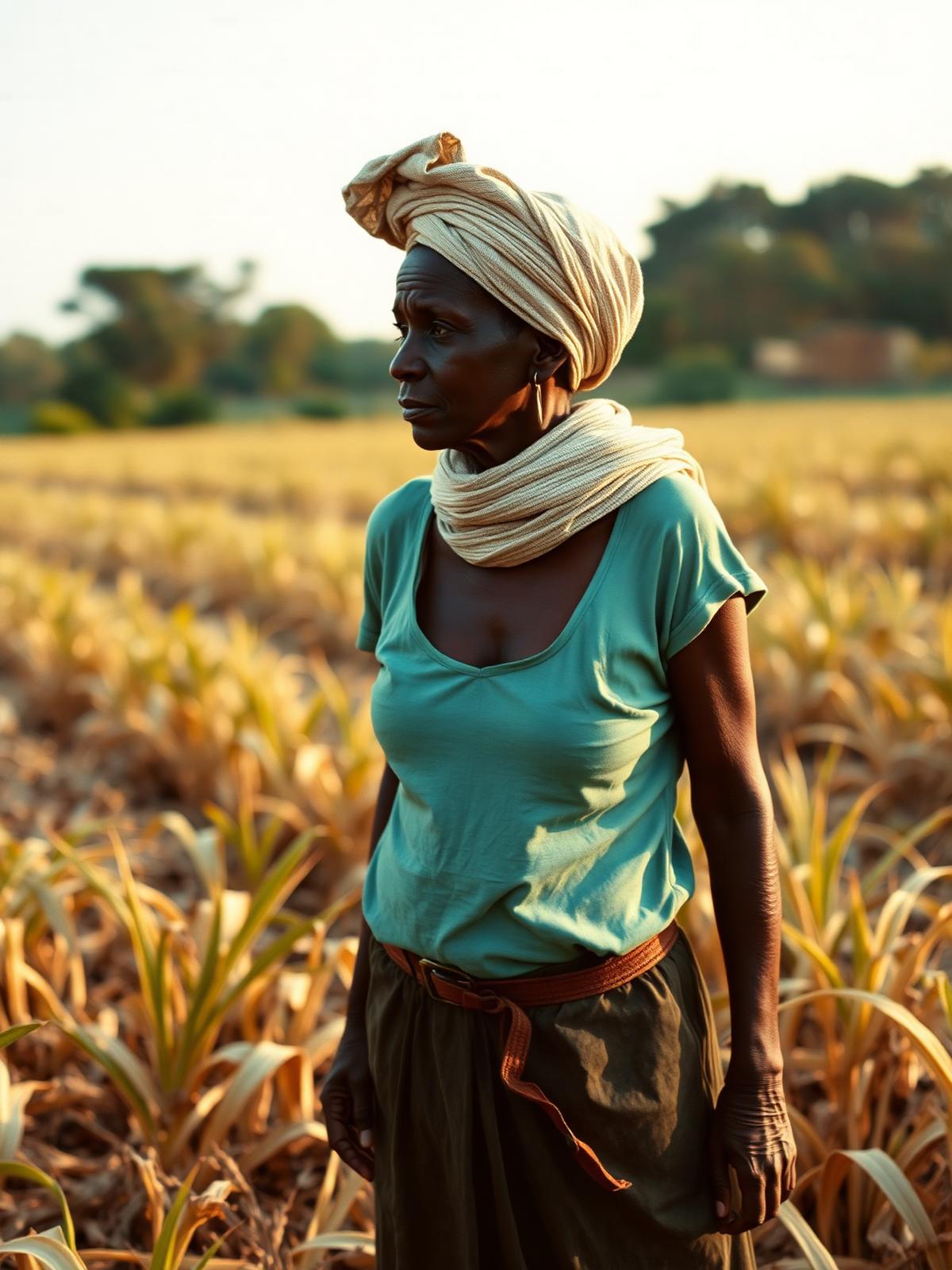
We dig to order. If a crate leaves Rangwe on a Tuesday morning, those roots were underground on Monday night. Joseph Otieno rests each block every third season and rotates groundnuts through it, which costs him yield and buys him taste.
There is also the soil. Light, red and quick-draining — it grows roots that hold their shape in the pot instead of collapsing into thread. None of this is a secret. It is only a set of decisions that most supply chains are not built to make.